We kicked off the year with International Zero Waste Month 2026 — a monthlong celebration of communities, organizations and changemakers working together for a waste-free future — and we want to take a moment to return to zero-waste basics. Some may hear “zero waste” and wonder: Is a world without waste really possible? Let’s look at what zero waste is really about, debunk myths and explore the creative ways the Pacific Environment team practices zero waste around the world.
Breaking it down: The zero waste hierarchy
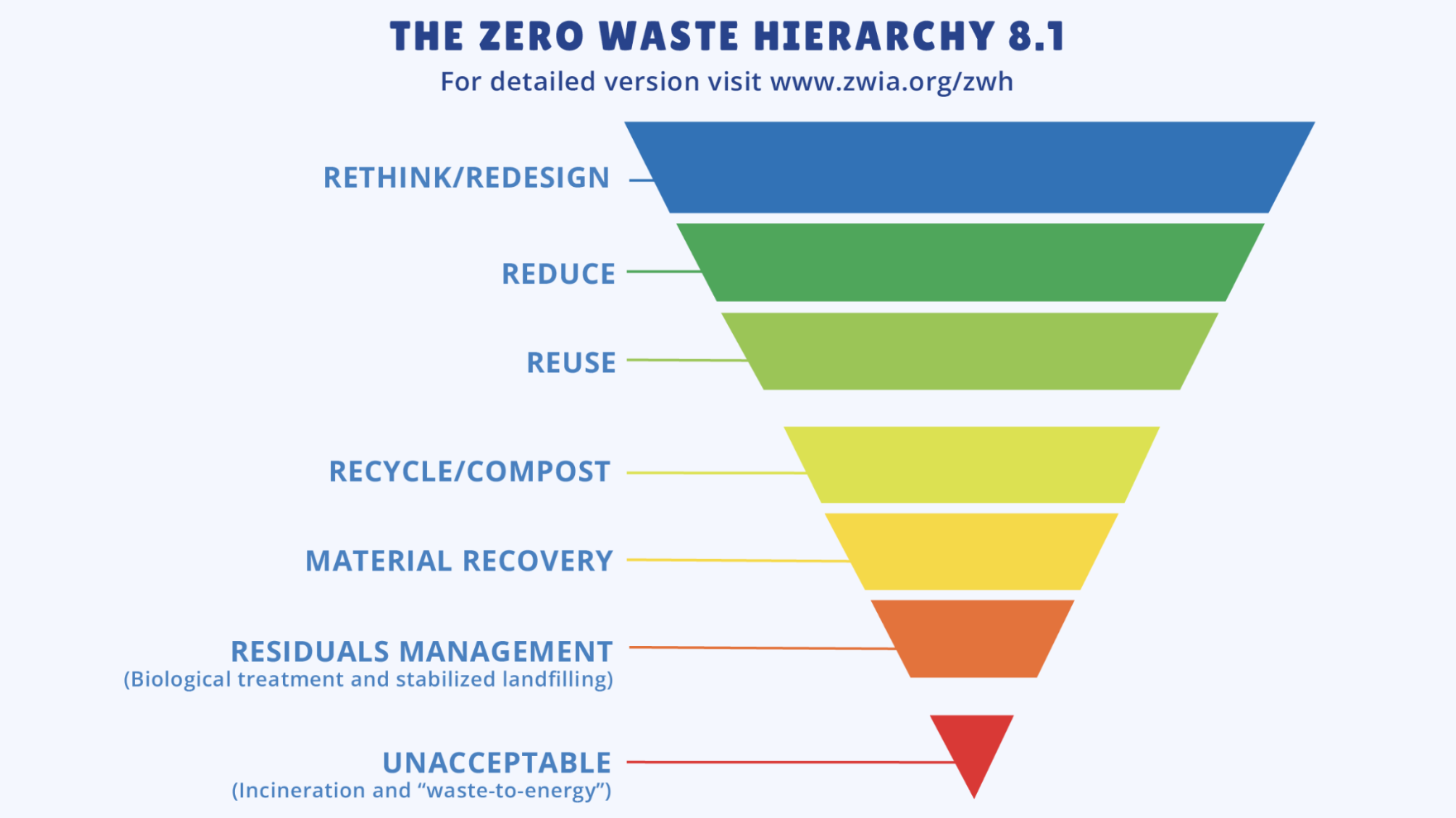
The zero waste hierarchy is a framework used to rethink our relationship with waste. It calls for us to minimize waste generation first, and to design systems so that the need for harmful and costly waste management practices such as waste burning (incineration) and burying (landfilling) are reduced. By engaging and applying the zero waste hierarchy, we can support the development of waste management and circular economy policies that are better for the environment and human health — and are less costly.
The zero waste hierarchy below is updated and modified by the Zero Waste International Alliance. The zero waste hierarchy prioritizes actions at the top of the hierarchy to emphasize how systems thinking (rethink/redesign) is essential to effective waste management. In this model, strategies such as recycling may be part of the solution, but only within the context of a system that has been designed for minimizing the generation of waste in the first place.
There are many ways to rethink and redesign systems. One example of “redesign” in practice is “Right to Repair” laws, which call for manufacturers to make durable goods. The laws also include making parts and repair instructions available to the general public so consumer goods last longer and people are able to repair items rather than dispose of them.
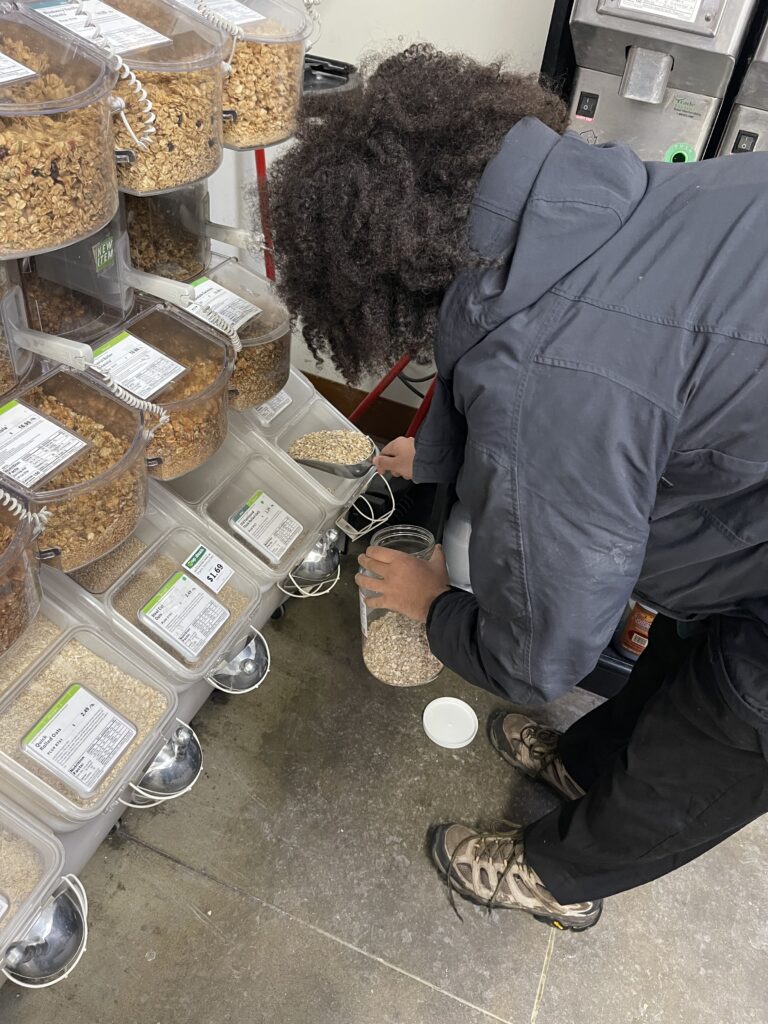
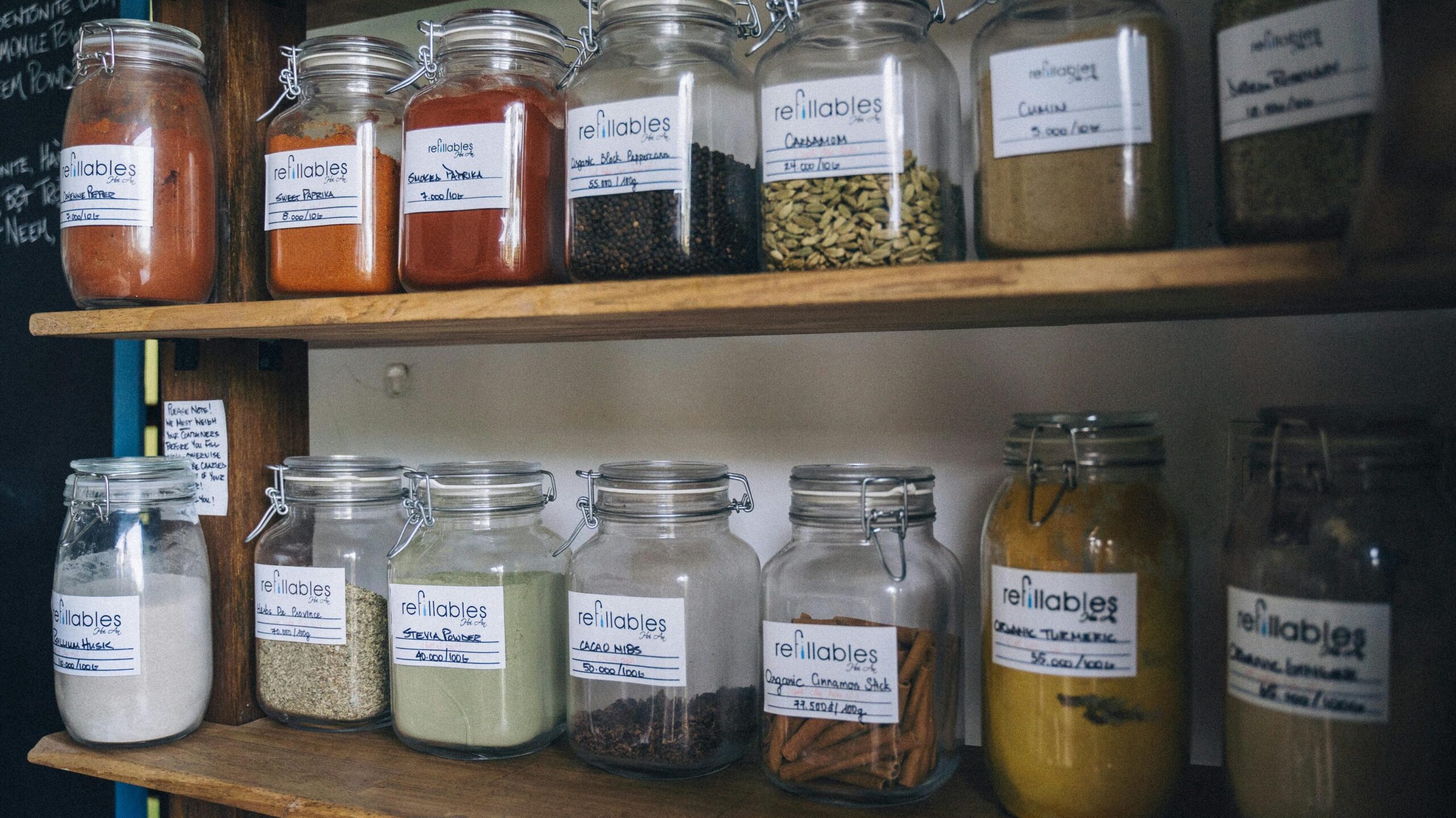
A city-level example of redesign could look like a deposit-return system for reusable takeaway beverage cups or food containers; systems like this are being tested for scale by businesses and municipalities in major cities across the world. And a more localized, smaller scale example is a grocery store that has reuse and refill options where shoppers can bring their own containers for bulk grocery items instead of relying on single-use packaging.
As we go down the hierarchy, overall waste generation can be reduced or diverted through recycling, composting and materials recovery. There are many different areas in which strong policy can prevent materials from unnecessarily being burned or buried. An arena that is ripe for zero waste action in the U.S. is food waste, which makes up 24% of municipal solid waste disposed of in landfills and 30% of incinerated waste.
Zero waste looks different around the world
The concepts of zero waste and the zero waste hierarchy have recently gained traction in international law through the United Nations’ International Zero Waste Day (March 30) and the European Union’s Waste Framework Directive. The core principles of the zero waste hierarchy can be applied to a range of different scenarios, from global policies and citywide programs to private business models.
In practice, however, there can be policy, legal and economic barriers to zero waste, and these factors are all contingent on context. Thus,it is essential that zero waste strategies are adapted to meet the appropriate context. As an organization working on zero waste in multiple localities, Pacific Environment works to develop nuanced and locally relevant approaches. (Learn how we are developing zero waste policy in Vietnam and sharing best practices regionally.)
It’s cheaper — and more effective — to go zero waste
Public resources tend to be channeled toward solutions at the bottom of the waste hierarchy (like new recycling plants or landfills) rather than toward building reuse initiatives or designing waste-free systems.
But dealing with garbage in this way is expensive: Waste management typically uses up to 4-19% of municipal budgets, varying between low-income and high-income countries. In 2020, the direct costs of solid waste management globally totaled about $252 billion, and that’s not including the negative externalities to the environment and human health discussed below.
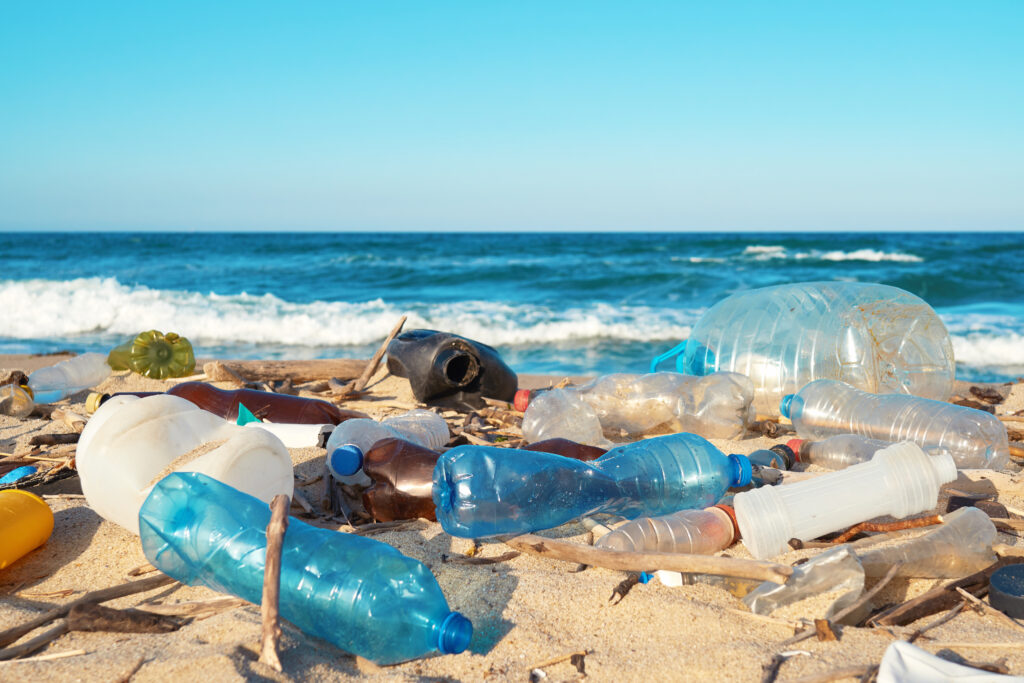
The problem is the current approach to waste management — with its emphasis on handling waste generated rather than minimizing it in the first place — isn’t actually working to solve waste management challenges such as waste leaking into the environment, pollution, climate-causing emissions and microplastics.
Many zero waste initiatives are cheaper than their waste management counterparts. The Global Alliance For Incinerator Alternatives (GAIA) found that regardless of a country’s income bracket, recycling and composting costs per ton are consistently lower than landfilling and waste incineration.
What is the role of individuals in the zero waste movement?
A 2024 study found that 60 firms are responsible for more than half of the world’s plastic pollution. It is largely corporations — not consumers — that are responsible for our global waste management crisis. The narrative that consumers are the one to blame has been perpetuated by the fossil fuel and petrochemical industry through targeted advertising and promotion of waste management solutions that rely on individual choices, like recycling.
The most important action individuals can take is to advocate for systems change. Many communities, states and countries have some version of a zero waste movement. For example, the Minnesota Zero Waste Coalition leads on zero waste policy where I live. In Vietnam, my colleagues are involved in the Vietnam Zero Waste Alliance.
If you’re unsure where to start, look for local groups that are working to create stronger policies on reuse/refill, “skip the stuff” ordinances, site fights against new incinerators or putting pressure on corporations to change their packaging (such as EPR, or Extended Producer Responsibility, laws).
As individuals, it’s important to acknowledge that the system is largely working against us and prioritize our energy strategically. The zero waste hierarchy helps us see how systemic change is necessary and, therefore, that we can’t fix the problem through individual choices alone. With this in mind, we can still choose to practice a joyful zero waste lifestyle and to incorporate these principles into our lives to the best of our abilities.
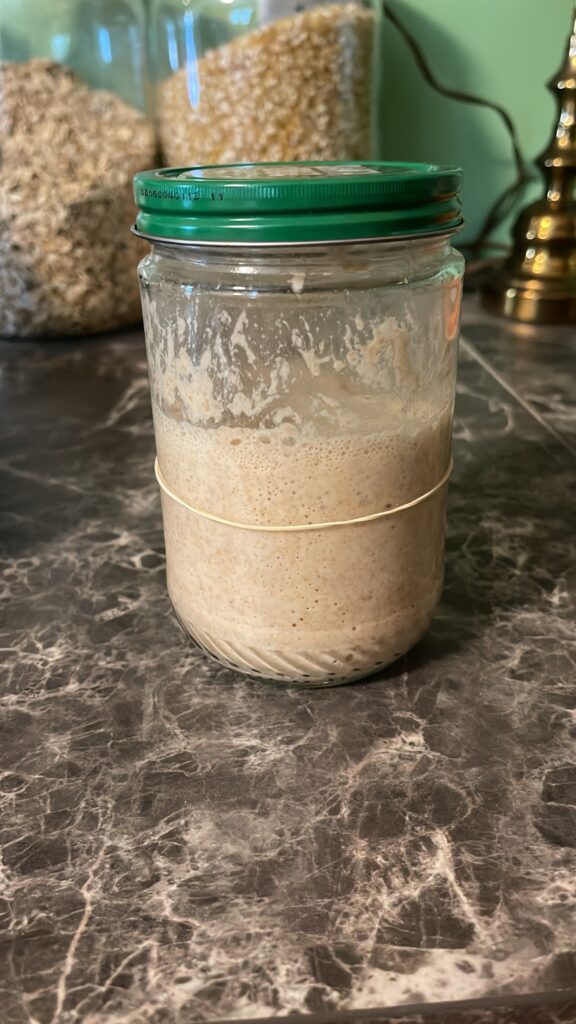
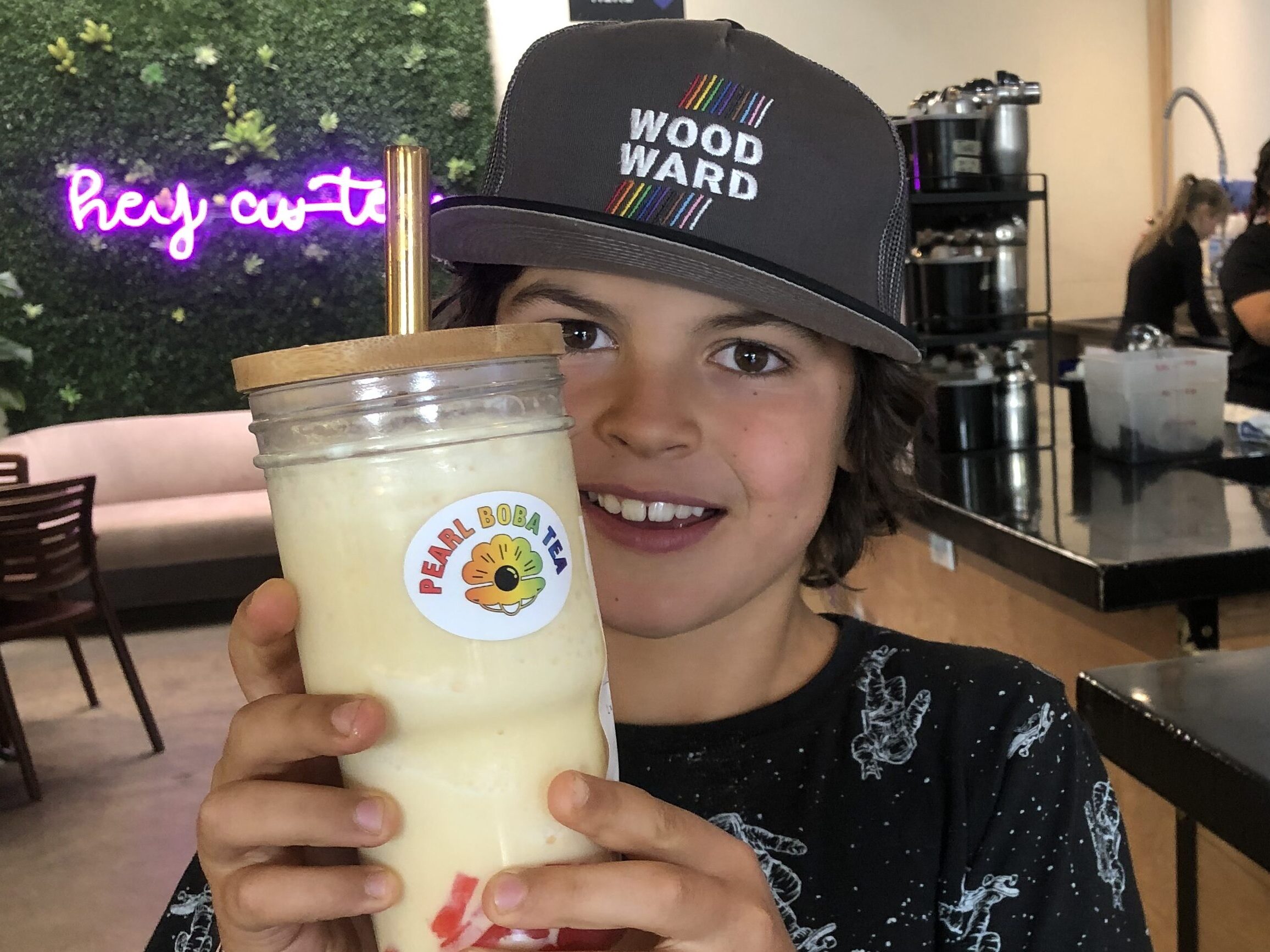
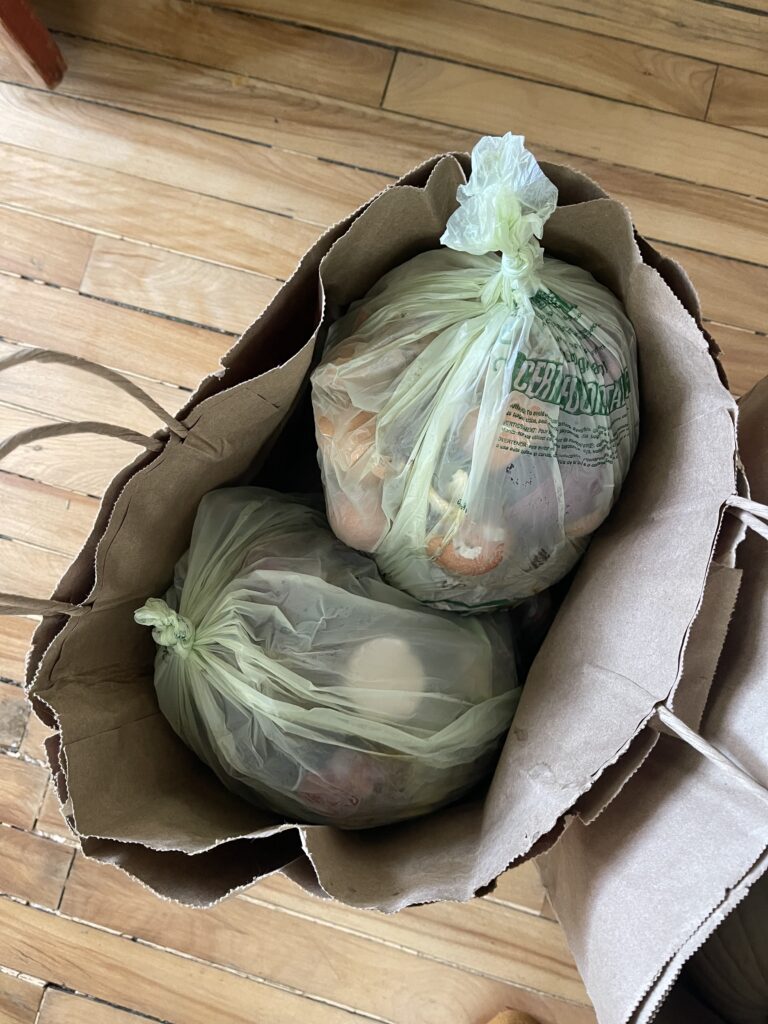
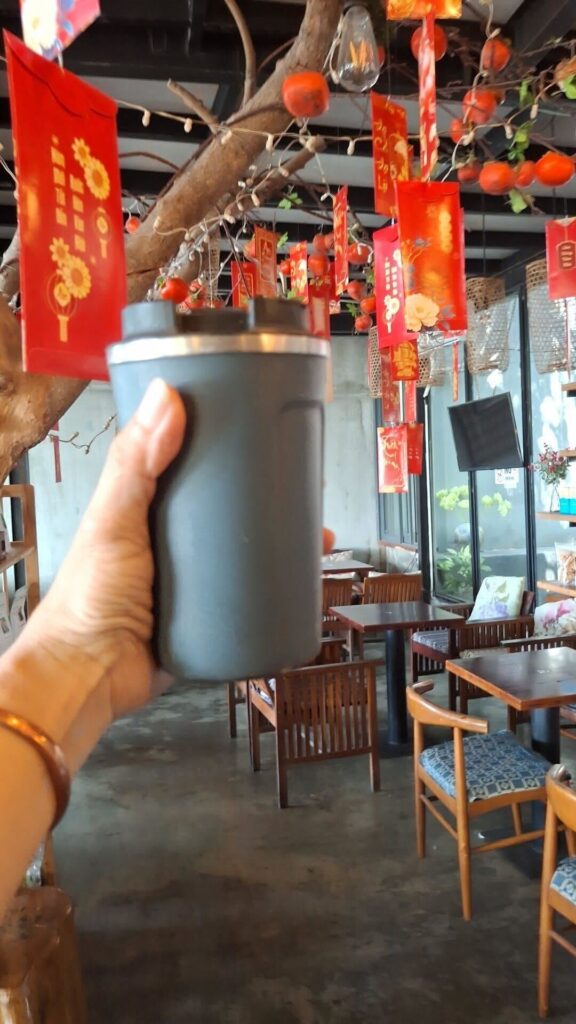
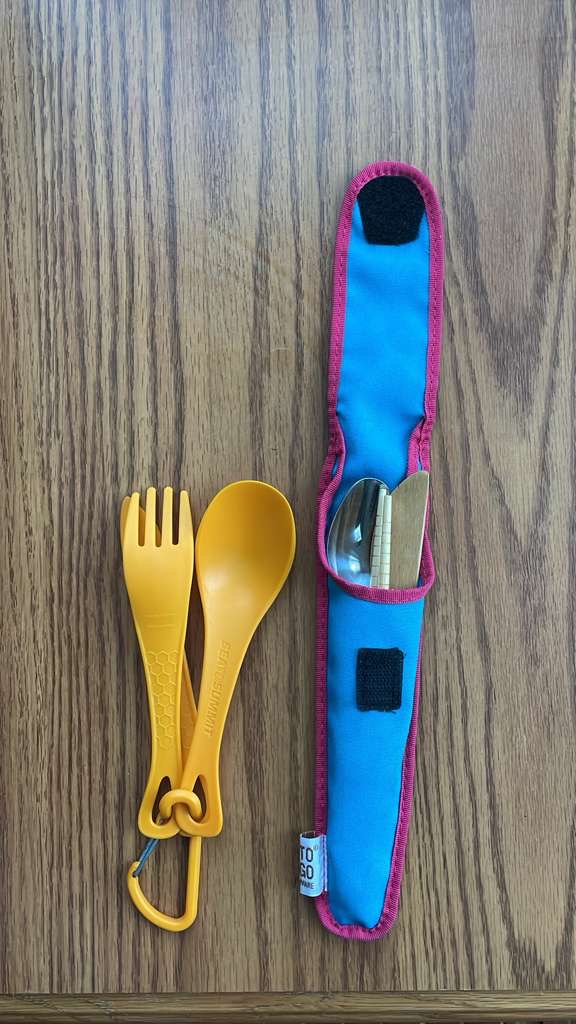
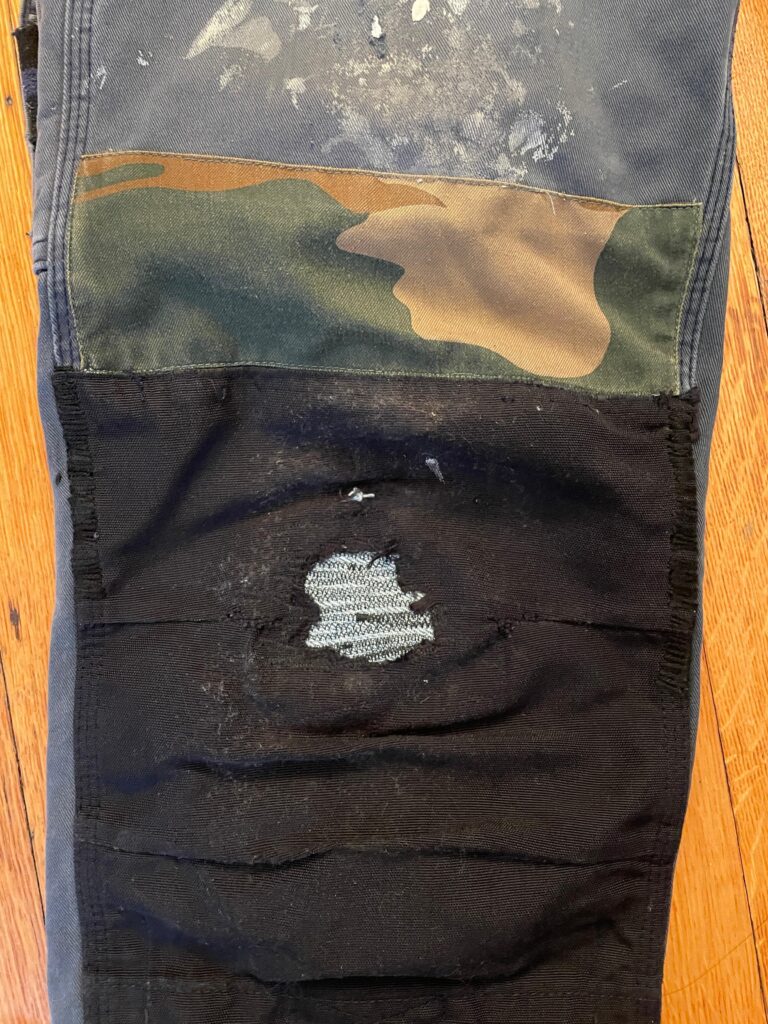
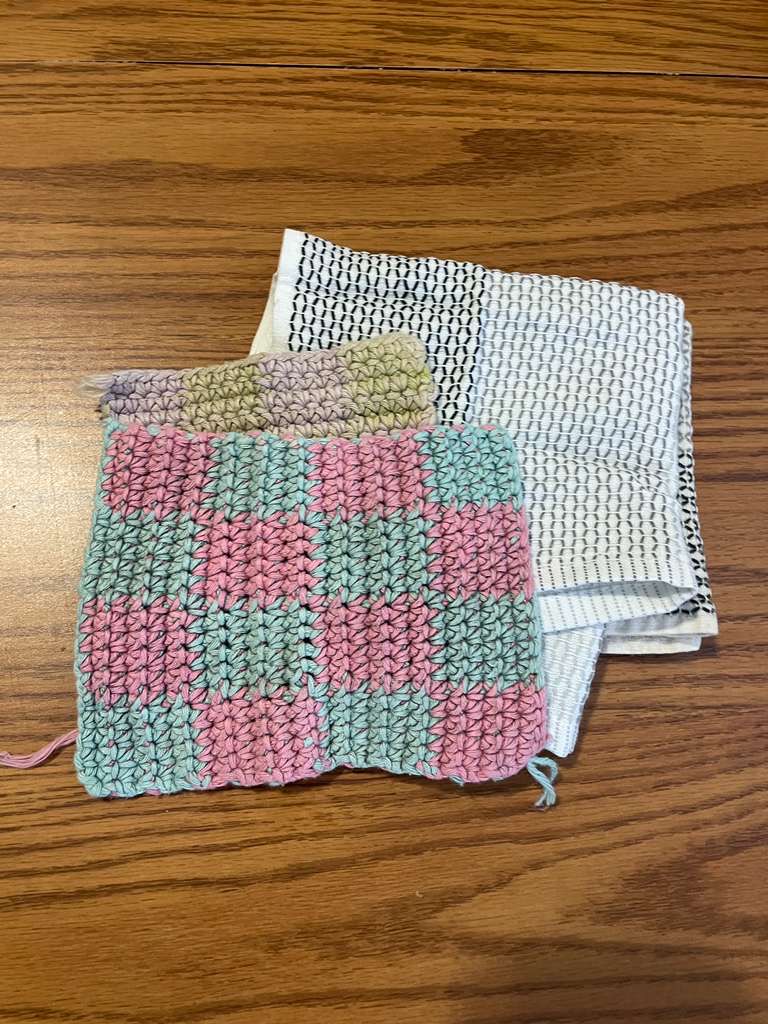
In addition to advocating for policy change, practicing zero waste is a great way to resist dominant models of linear consumption, reduce our exposure to chemicals, save money and inspire others to take action. Here are some of the creative, intentional and collaborative ways that the Pacific Environment team is living zero waste around the world: